Muštarda: Meaning, History, Types, Benefits, and Uses of Mustard
Introduction to Muštarda
Muštarda is a well-known condiment used in many kitchens around the world. It is famous for its sharp, slightly spicy taste and its ability to enhance the flavor of many dishes. Whether it is spread on sandwiches, mixed into sauces, or served alongside meat dishes, muštarda has become one of the most popular condiments globally.
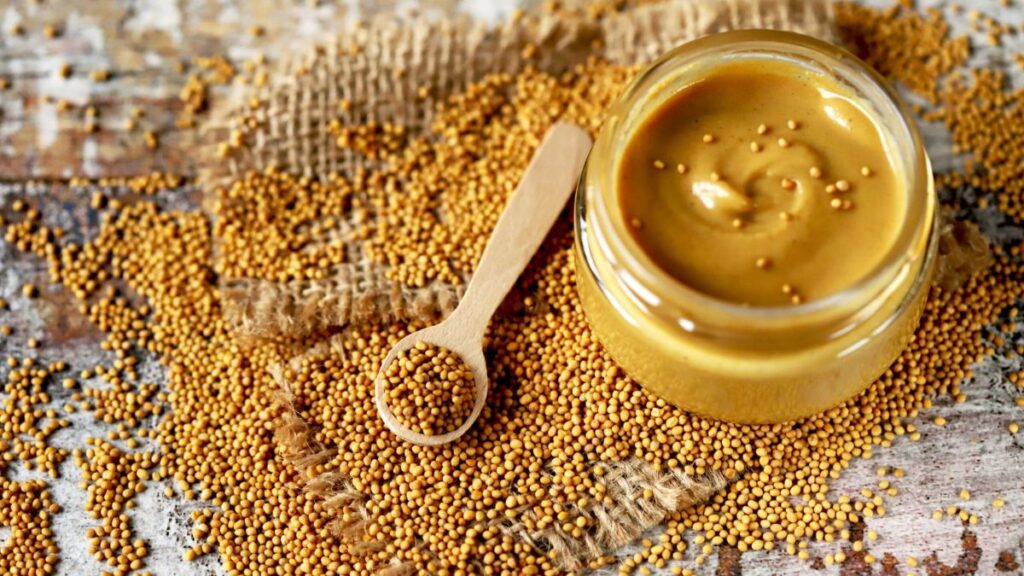
In simple terms, muštarda is made from ground mustard seeds mixed with liquids such as water, vinegar, or wine to form a paste or sauce. Different spices and ingredients can also be added to create various flavors and textures.
The popularity of muštarda comes from its versatility. It can be mild or very strong depending on the type of mustard seeds used and the preparation method. Because of this flexibility, it appears in many traditional cuisines and modern recipes.
Today, muštarda is available in several forms such as prepared mustard sauce, powdered mustard, and whole mustard seeds. Each form offers a unique taste and cooking application.
2. Meaning and Definition of Muštarda
The word muštarda refers to a condiment or spice made from the seeds of the mustard plant. When the seeds are crushed and combined with liquids, they produce a flavorful paste that is commonly used as a seasoning or sauce.
In simple language, muštarda can be described as:
| Term | Explanation |
|---|---|
| Muštarda | A condiment made from mustard seeds |
| Mustard Seeds | Small seeds from mustard plants used to create mustard |
| Mustard Sauce | A prepared paste made from crushed seeds and liquid |
Mustard seeds themselves are small, round seeds that become spicy when ground and mixed with water. This reaction produces the characteristic sharp flavor associated with muštarda.
In everyday cooking, muštarda serves as both a flavor enhancer and a seasoning ingredient. It can be used directly as a sauce or included as an ingredient in recipes such as dressings and marinades.
3. Origin and History of Muštarda
The history of muštarda goes back thousands of years. Mustard seeds were used by ancient civilizations long before modern condiments were developed.
Historical records show that mustard seeds were known as early as 3000 BCE and were mentioned in ancient writings from India, Greece, and Rome.
Archaeological evidence suggests that mustard plants were used as food in early human settlements. Ground mustard seeds were found in ancient cooking preparations dating back more than 9,000 years.
Over time, people discovered that mixing mustard seeds with liquids created a flavorful paste. This simple discovery eventually led to the development of modern muštarda.
The Romans were among the first to popularize mustard sauce in Europe. They mixed crushed mustard seeds with grape juice to create a condiment that accompanied meats and vegetables.
During the Middle Ages, mustard production expanded throughout Europe, and many regions developed their own unique versions of muštarda.
4. Types of Muštarda
There are several varieties of muštarda available today. Each type differs in flavor, color, ingredients, and preparation method.
Some of the most common types include:
Yellow Mustard
Yellow mustard is one of the most widely used forms of muštarda. It has a mild flavor and a bright yellow color. This type is commonly used in burgers, sandwiches, and hot dogs.
Dijon Mustard
Dijon muštarda originated in France and is known for its smooth texture and slightly stronger taste. It is typically made from brown mustard seeds mixed with wine or vinegar.
Whole Grain Mustard
This type contains partially crushed mustard seeds, giving it a textured appearance and a rich flavor.
Honey Mustard
Honey mustard combines muštarda with honey to create a sweet and tangy sauce often used in salad dressings or dipping sauces.
Spicy Brown Mustard
Spicy brown muštarda is stronger in taste and commonly used in deli sandwiches and sausages.
5. Mustard Plant and Seeds
Muštarda comes from plants belonging to the Brassicaceae family, which includes several species of mustard plants.
These plants produce small seeds that are harvested and processed to create mustard products.
The most common mustard plant varieties include:
| Mustard Plant | Scientific Name | Characteristics |
|---|---|---|
| White Mustard | Sinapis alba | Mild flavor, used in yellow mustard |
| Brown Mustard | Brassica juncea | Strong flavor used in many condiments |
| Black Mustard | Brassica nigra | Very pungent and intense |
White mustard plants originally came from the Mediterranean region, while brown mustard plants are native to the Himalayan area.
The seeds are typically small, round, and odorless when whole, but they develop their strong flavor once they are crushed and mixed with liquids.
6. How Muštarda Is Made
The production of muštarda involves several simple steps that transform mustard seeds into a flavorful paste.
The process usually includes the following stages:
- Harvesting mustard seeds from the plant
- Cleaning and drying the seeds
- Grinding or crushing the seeds into powder
- Mixing the powder with liquids such as water, vinegar, or wine
- Adding spices, salt, or herbs for flavor
The sharp taste of muštarda forms when enzymes in the crushed seeds react with water, producing a strong aromatic oil responsible for the spicy flavor.
Depending on the ingredients and preparation method, muštarda can range from mild and creamy to extremely strong and pungent.
7. Culinary Uses of Muštarda
Muštarda plays an important role in cooking and food preparation across many cultures. Its strong flavor allows it to enhance both simple and complex dishes.
Common culinary uses include:
Condiment for meats
Muštarda is frequently served with sausages, roasted meats, and grilled dishes.
Sandwich spread
Many sandwiches and burgers include muštarda as a flavorful spread.
Salad dressings
Mustard is often used as a key ingredient in vinaigrettes and creamy dressings.
Sauces and marinades
It can be mixed with other ingredients to create sauces for fish, chicken, or vegetables.
Because of its intense flavor, even a small amount of muštarda can significantly improve the taste of a dish.
8. Nutritional Value of Muštarda
Muštarda is considered a low-calorie condiment, which makes it a popular choice for people who want to add flavor without adding too many calories.
Typical nutritional components include:
| Nutrient | Benefit |
|---|---|
| Vitamins | Support overall health |
| Minerals | Provide essential nutrients |
| Antioxidants | Help protect cells from damage |
Mustard seeds also contain plant compounds that contribute to their strong taste and potential health benefits.
9. Health Benefits of Muštarda
Although muštarda is mainly used as a condiment, it may also offer several health advantages when consumed in moderation.
Possible benefits include:
- Supporting digestion
- Providing antioxidants
- Stimulating appetite
- Offering anti-inflammatory properties
Historically, mustard was also used in traditional medicine. Ancient physicians used mustard-based preparations to treat various health conditions.
While muštarda should not be considered a medicine, it can still be part of a healthy diet.
10. Muštarda in Different Cuisines
One reason for the global popularity of muštarda is its presence in many culinary traditions.
European Cuisine
European countries such as France and Germany are famous for producing distinctive mustard varieties like Dijon mustard.
Asian Cuisine
In Asian cooking, mustard seeds and mustard greens are commonly used as spices and vegetables.
American Cuisine
In the United States, yellow muštarda is widely used in fast food and casual meals such as hot dogs and burgers.
Because of these diverse uses, muštarda has become an essential ingredient in many cultures around the world.
11. Difference Between Mustard Seeds, Mustard Sauce, and Mustard Oil
Many people confuse different mustard products, but they serve different purposes.
| Product | Description | Usage |
|---|---|---|
| Mustard Seeds | Whole seeds from the mustard plant | Used as spices in cooking |
| Mustard Sauce | Prepared muštarda paste | Used as condiment |
| Mustard Oil | Oil extracted from seeds | Cooking and traditional medicine |
Understanding these differences helps people choose the right mustard product for their recipes.
12. Popular Muštarda Recipes
Muštarda can be used in many simple recipes that enhance everyday meals.
Examples include:
Honey Mustard Sauce
A mixture of muštarda, honey, vinegar, and spices used as a dipping sauce.
Mustard Salad Dressing
Combines muštarda with olive oil, vinegar, and herbs to create a tangy dressing.
Mustard Chicken Marinade
Chicken is marinated in muštarda, garlic, and spices to create a flavorful dish.
These recipes show how versatile muštarda can be in cooking.
13. Storage and Shelf Life
Proper storage helps maintain the flavor and quality of muštarda.
Important storage tips include:
- Keep prepared muštarda in the refrigerator after opening
- Store mustard powder in a cool, dry place
- Use clean utensils when removing mustard from jars
When stored correctly, muštarda can last for several months without losing its flavor.
14. Interesting Facts About Muštarda
Muštarda has several interesting characteristics that many people may not know.
Some notable facts include:
- Mustard is one of the oldest condiments in the world.
- Mustard seeds have been used in cooking for thousands of years.
- The mustard plant is related to vegetables like cabbage and broccoli.
- Mustard leaves can also be eaten as vegetables.
These facts highlight the long history and versatility of muštarda.
15. Conclusion
Muštarda is far more than just a simple condiment. It has a rich history that spans thousands of years and continues to play an important role in modern cooking.
From ancient civilizations to modern kitchens, muštarda has remained a popular ingredient because of its unique flavor and versatility. It can be mild or spicy, simple or complex, and it fits easily into many types of cuisine.
Whether used as a sandwich spread, a cooking ingredient, or a dressing component, muštarda continues to enhance the taste of countless dishes around the world.