Severna Dakota – Complete Guide to Geography, History, Economy & Lifestyle
Introduction to Severna Dakota
The term “severna dakota” is often used as an alternative or misspelled reference to North Dakota, one of the northern states of the United States. This state is known for its vast open landscapes, strong agricultural base, and peaceful lifestyle. Despite being one of the least populated states in the country, North Dakota plays a significant role in agriculture and energy production.
The name “Dakota” comes from the Dakota Sioux Native American tribe, and it means “friend” or “ally.” The nickname “Peace Garden State” comes from the International Peace Garden located on the border between the United States and Canada, symbolizing friendship between the two nations.
Location and Map Overview
Severna Dakota (North Dakota) is located in the Upper Midwest region of the United States. It shares its northern border with Canada, making it an important region for international trade and cultural exchange.
The state is surrounded by:
- Minnesota to the east
- South Dakota to the south
- Montana to the west
This strategic location places it in the heart of North America, often referred to as the geographic center of the continent.
Geography and Physical Features
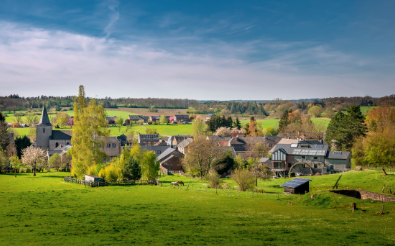
The geography of severna dakota is dominated by wide plains, fertile farmland, and gently rolling hills. The land is mostly flat, making it ideal for farming and agriculture.
The state is divided into three major physical regions:
| Region Name | Description |
|---|---|
| Red River Valley | Fertile farmland with rich soil, ideal for crops |
| Drift Prairie | Rolling hills and mixed agriculture |
| Missouri Plateau | Rugged land with hills, oil reserves, and badlands |
The Missouri River flows through the state, providing water resources and supporting agriculture. Another important feature is Theodore Roosevelt National Park, known for its beautiful badlands and wildlife.
Natural resources such as oil, coal, and natural gas are also found in abundance, especially in the western part of the state.
Climate and Weather Conditions
Severna dakota experiences a continental climate, meaning it has extreme seasonal changes. Summers are warm and sometimes hot, while winters are long, cold, and often harsh.
During summer, temperatures can reach up to 30°C or more, while winter temperatures can fall well below freezing, sometimes reaching -20°C or lower.
The state also experiences:
- Heavy snowfall in winter
- Occasional floods due to melting snow
- Strong winds and blizzards
These weather conditions shape the lifestyle and economy of the region.
History of Severna Dakota
Early Native American History
Before European settlers arrived, the land of severna dakota was home to Native American tribes such as the Dakota Sioux, Mandan, and Hidatsa. These tribes had rich cultures and relied on hunting, farming, and trade.
European Exploration
In the 18th and 19th centuries, European explorers and traders entered the region. The fur trade became an important economic activity during this time.
Formation and Statehood
North Dakota was part of the Dakota Territory before becoming the 39th state of the United States in 1889. This marked an important milestone in its development.
Modern Development
The arrival of railroads helped connect the state to other parts of the country, boosting trade and settlement. Later, the discovery of oil transformed the economy and brought new opportunities.
Population and Demographics
Severna dakota has a relatively small population compared to other states. Most people live in small towns or rural areas, although cities are growing steadily.
Key demographic features include:
- Low population density
- Strong presence of European ancestry
- Increasing diversity in urban areas
The population growth has been influenced by job opportunities in agriculture and the energy sector.
Major Cities and Urban Centers
The state has several important cities that serve as economic and cultural hubs.
| City Name | Importance |
|---|---|
| Bismarck | Capital and political center |
| Fargo | Largest city and economic hub |
| Grand Forks | Education and research center |
| Minot | Trade and transportation hub |
| Dickinson | Gateway to oil-producing regions |
These cities provide education, healthcare, and employment opportunities.
Economy of Severna Dakota
The economy of severna dakota is strong and stable, mainly due to agriculture and energy production.
Agriculture
Agriculture is the backbone of the state’s economy. Farmers grow crops such as wheat, corn, and soybeans. Livestock farming is also common.
Energy Sector
The discovery of oil in the Bakken Formation has made North Dakota one of the leading oil-producing states in the U.S. Coal and natural gas also contribute to the economy.
Other Industries
Other sectors include manufacturing, tourism, and technology. Tourism is supported by natural attractions and historical sites.
Culture and Lifestyle
Life in severna dakota is peaceful and community-oriented. People often enjoy a slower pace of life compared to large cities.
Cultural highlights include:
- Traditional festivals and fairs
- Strong Native American heritage
- Simple and friendly lifestyle
Food culture includes hearty meals, often influenced by farming traditions.
Education and Institutions
The state has a well-developed education system, including public schools and higher education institutions.
Major universities include:
- University of North Dakota
- North Dakota State University
These institutions provide quality education and research opportunities.
Government and Administration
Severna dakota operates under a state government system similar to other U.S. states. It includes:
- A governor as the executive head
- A legislative assembly
- A judicial system
The state is divided into counties for administrative purposes.
Tourism and Attractions
Tourism plays an important role in the state’s economy. Visitors are attracted to natural beauty and outdoor activities.
Popular attractions include:
- Theodore Roosevelt National Park
- Badlands region
- Lake Sakakawea
Activities such as hiking, fishing, and camping are common.
Wildlife and Natural Environment
The natural environment of severna dakota supports a wide range of wildlife, including bison, deer, and various bird species.
The state has many wildlife refuges and conservation programs to protect its natural heritage.
Transportation and Infrastructure
Transportation in severna dakota includes highways, railways, and airports.
Key features include:
- Well-connected road network
- Rail transport for goods
- Regional airports for travel
Infrastructure development supports economic growth.
Interesting Facts About Severna Dakota
Severna dakota is full of unique and interesting features. It is one of the least populated states in the United States, yet it produces a large amount of wheat and honey. The state is also known for its peaceful environment and strong sense of community.
Advantages and Challenges
Advantages
The state offers a strong economy, peaceful living conditions, and abundant natural resources. It is ideal for people who prefer a quiet lifestyle.
Challenges
However, severna dakota also faces challenges such as extreme weather, limited population growth, and dependence on natural resources.
Conclusion
Severna dakota, commonly known as North Dakota, is a unique and important state in the United States. With its strong agricultural base, growing energy sector, and peaceful lifestyle, it offers both opportunities and challenges. Its rich history, natural beauty, and cultural heritage make it an interesting place to study and visit.
FAQs
1. Where is severna dakota located?
Severna dakota is located in the Upper Midwest region of the United States, bordering Canada.
2. What is severna dakota famous for?
It is famous for agriculture, oil production, and natural landscapes like the Badlands.
3. What is the capital of severna dakota?
The capital is Bismarck.
4. What is the main industry in severna dakota?
The main industries are agriculture and energy production.
5. Why is severna dakota called the Peace Garden State?
It is named after the International Peace Garden, symbolizing friendship between the U.S. and Canada.