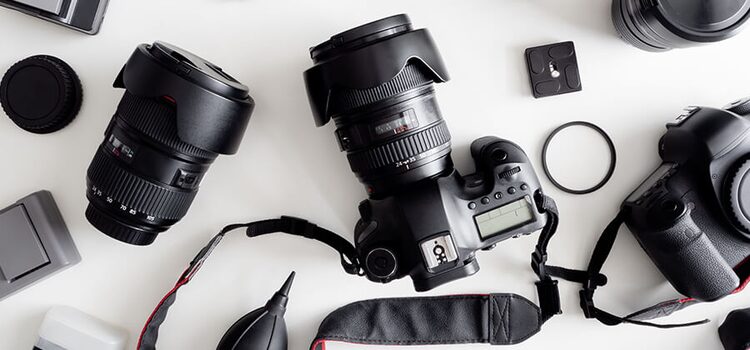
EVIL Camera vs DSLR: Complete Guide to Differences, Features, Advantages, and Which Camera is Better
EVIL Camera vs DSLR: Complete Detailed Guide
Digital photography has improved dramatically in recent years, offering photographers many powerful tools to capture high-quality images. Among the most widely discussed camera systems today are EVIL cameras and DSLR cameras. Many beginners and professional photographers often search for evil camera vs dslr to understand which technology is better and which camera they should buy.
Both camera types belong to the category of interchangeable-lens cameras, meaning users can change lenses depending on their photography needs. However, the internal technology used in each system is quite different.
An EVIL camera, which stands for Electronic Viewfinder Interchangeable Lens, is a type of mirrorless digital camera that does not use a reflex mirror system. Instead, it displays the scene through an electronic screen or electronic viewfinder.
A DSLR camera, short for Digital Single-Lens Reflex, uses a mirror mechanism to reflect light from the lens into an optical viewfinder. When the shutter button is pressed, the mirror moves up so the light can reach the image sensor and capture the photograph.
Understanding the differences between these two systems helps photographers choose the right equipment based on their experience, budget, and photography goals.
Evolution of Digital Camera Technology
To understand the comparison of evil camera vs dslr, it is helpful to first look at the development of camera technology.
Photography originally relied on film cameras, where images were captured on photographic film. Later, SLR (Single-Lens Reflex) cameras became popular because they allowed photographers to see exactly what the lens saw through a mirror system.
In the early 2000s, digital sensors replaced film, leading to the development of DSLR cameras. These cameras offered high image quality, interchangeable lenses, and advanced controls, making them extremely popular among professionals and enthusiasts.
However, technological advancements led to the creation of mirrorless cameras, also known as EVIL cameras. By removing the mirror system, manufacturers were able to create smaller, lighter, and quieter cameras while maintaining excellent image quality.
Today, many camera companies are focusing heavily on mirrorless technology, which has become a major competitor to traditional DSLR systems.
What is an EVIL Camera?
An EVIL camera stands for Electronic Viewfinder Interchangeable Lens camera. It is essentially a type of mirrorless camera that uses an electronic viewfinder instead of an optical one.
Unlike DSLR cameras, EVIL cameras do not contain a mechanical mirror inside the camera body. Light from the lens goes directly to the digital image sensor, and the sensor sends the image to a small electronic screen that the photographer sees through the viewfinder or rear display.
This design simplifies the internal structure of the camera and enables manufacturers to build smaller and lighter devices.
Main Characteristics of EVIL Cameras
EVIL cameras have several distinctive features:
- Electronic viewfinder (EVF)
- No internal mirror mechanism
- Interchangeable lenses
- Continuous live view from the sensor
- Compact and lightweight design
Because the image sensor is always active, EVIL cameras can show a real-time preview of exposure, color balance, and depth of field. This helps photographers understand how the final image will look before pressing the shutter button.
What is a DSLR Camera?
A DSLR camera is a digital camera that uses the traditional single-lens reflex system. This design uses a mirror placed inside the camera body to reflect light from the lens into the optical viewfinder.
When a photographer looks through a DSLR viewfinder, they see the scene through a prism and mirror system. The image shown in the viewfinder is the same scene that the lens sees.
When the shutter button is pressed, the following sequence occurs:
- The mirror flips upward.
- The shutter opens.
- Light reaches the digital sensor.
- The camera captures the image.
- The mirror returns to its original position.
This mechanical process creates the familiar “click” sound that DSLR cameras produce when taking a photograph.
Main Characteristics of DSLR Cameras
DSLR cameras have several important features:
- Optical viewfinder
- Reflex mirror mechanism
- Interchangeable lenses
- Longer battery life
- Larger camera body
Because DSLR cameras use optical viewing rather than digital screens, they typically consume less battery power.
Working Mechanism: EVIL Camera vs DSLR
Understanding how each camera works helps explain the main differences in the evil camera vs dslr comparison.
EVIL Camera Working Process
In an EVIL camera, the process is relatively simple:
- Light enters through the camera lens.
- The light directly hits the digital image sensor.
- The sensor converts light into a digital signal.
- The image is displayed on an electronic screen or viewfinder.
- When the shutter button is pressed, the camera saves the captured image.
Because there is no mirror movement, the camera can operate more quietly and often faster.
DSLR Working Process
In a DSLR camera, the process involves more mechanical components:
- Light enters through the lens.
- The mirror reflects the light upward.
- The prism sends the image to the optical viewfinder.
- When the shutter button is pressed, the mirror flips up.
- Light reaches the sensor and the image is captured.
This system has been used for decades and is known for providing a natural optical viewing experience.
Key Differences Between EVIL Camera vs DSLR
The comparison of evil camera vs dslr becomes clearer when the major features are examined side by side.
| Feature | EVIL Camera | DSLR Camera |
|---|---|---|
| Mirror | No mirror system | Uses reflex mirror |
| Viewfinder | Electronic viewfinder | Optical viewfinder |
| Size | Smaller and lighter | Larger and heavier |
| Battery Life | Shorter battery life | Longer battery life |
| Shooting Noise | Quiet or silent | Audible shutter sound |
| Technology | Modern digital features | Traditional camera design |
This table shows that both camera systems have strengths depending on the photographer’s needs.
Advantages of EVIL Cameras
EVIL cameras have become extremely popular due to several modern advantages.
Compact and Lightweight Design
One of the biggest advantages of EVIL cameras is their small size. Because they do not contain a mirror box or prism, manufacturers can design thinner and lighter camera bodies.
This makes them ideal for travel photography and everyday use.
Real-Time Image Preview
EVIL cameras display a digital preview of the image through the electronic viewfinder. Photographers can immediately see changes in brightness, color balance, and exposure settings.
Silent Shooting
Many EVIL cameras include an electronic shutter that allows completely silent photography. This feature is useful for wildlife photography, weddings, and quiet environments.
Advanced Autofocus Technology
Modern mirrorless cameras use advanced autofocus systems with features such as:
- Eye tracking
- Face detection
- Subject tracking
These features help photographers capture sharp images of moving subjects.
Advantages of DSLR Cameras
Despite the popularity of mirrorless cameras, DSLR cameras still offer several important benefits.
Longer Battery Life
Because DSLR cameras use optical viewfinders rather than electronic screens, they consume less power. Photographers can often take hundreds or even thousands of photos on a single battery charge.
Optical Viewfinder Experience
Some photographers prefer the natural viewing experience of an optical viewfinder. The image appears exactly as the human eye sees it, without digital processing.
Wide Lens Selection
DSLR cameras have been around for many years, so there is a large ecosystem of lenses and accessories available for many camera brands.
Durable and Reliable Design
Many professional DSLR cameras are built with strong materials and weather-sealed bodies, making them suitable for demanding environments.
Limitations of EVIL Cameras
Although EVIL cameras offer many advantages, they also have some limitations.
One major drawback is battery life. Because the sensor and screen remain active during operation, EVIL cameras consume more power than DSLR cameras.
Another limitation is that some photographers still prefer optical viewfinders for fast action photography or bright sunlight conditions.
Limitations of DSLR Cameras
DSLR cameras also have certain disadvantages.
The mirror system makes the camera body larger and heavier. This can make the camera less convenient for travel or casual photography.
In addition, mechanical mirror movement can create vibration and noise during shooting.
Another limitation is that many manufacturers are now focusing more on mirrorless camera development rather than DSLR technology.
Popular Uses of EVIL Cameras
EVIL cameras are commonly used in many modern photography fields, including:
Travel photography, where lightweight equipment is important.
Street photography, where silent shooting is helpful.
Video production, because many mirrorless cameras offer advanced video features.
Vlogging and content creation, where compact cameras are easier to handle.
Because of their versatility, EVIL cameras have become very popular among social media creators and filmmakers.
Popular Uses of DSLR Cameras
DSLR cameras continue to be widely used in professional photography, particularly in areas such as:
Sports photography, where fast focusing and strong battery performance are helpful.
Wildlife photography, where photographers may spend long periods waiting for the perfect shot.
Studio photography, where durability and lens selection are important.
Many professional photographers still rely on DSLR systems due to their reliability and established ecosystem.
Future Trends in Camera Technology
The photography industry has been gradually shifting toward mirrorless systems. Many major camera manufacturers have started prioritizing mirrorless camera development over DSLR models.
Mirrorless cameras continue to improve with features such as:
Artificial intelligence autofocus
High-speed continuous shooting
Advanced video recording capabilities
Improved electronic viewfinders
As technology advances, the gap between DSLR and mirrorless cameras continues to change.
Which Camera Should You Choose?
Choosing between evil camera vs dslr depends on several factors, including:
- Budget
- Photography experience
- Preferred camera size
- Intended photography style
Beginners often prefer EVIL cameras because they are lighter and easier to use. On the other hand, some professionals still prefer DSLR cameras for their optical viewfinder and battery performance.
Ultimately, the best camera is the one that fits the photographer’s needs and creative goals.
Conclusion
The debate between evil camera vs dslr is one of the most common discussions in modern photography. Both camera systems are capable of producing excellent images and professional results.
EVIL cameras offer modern technology, compact design, and advanced digital features. DSLR cameras provide longer battery life, optical viewing, and a well-established ecosystem of lenses.
As the photography industry continues to evolve, mirrorless cameras are becoming increasingly popular. However, DSLR cameras remain valuable tools for many photographers.
The most important factor is not just the camera type but how effectively the photographer uses the camera to capture creative and meaningful images.