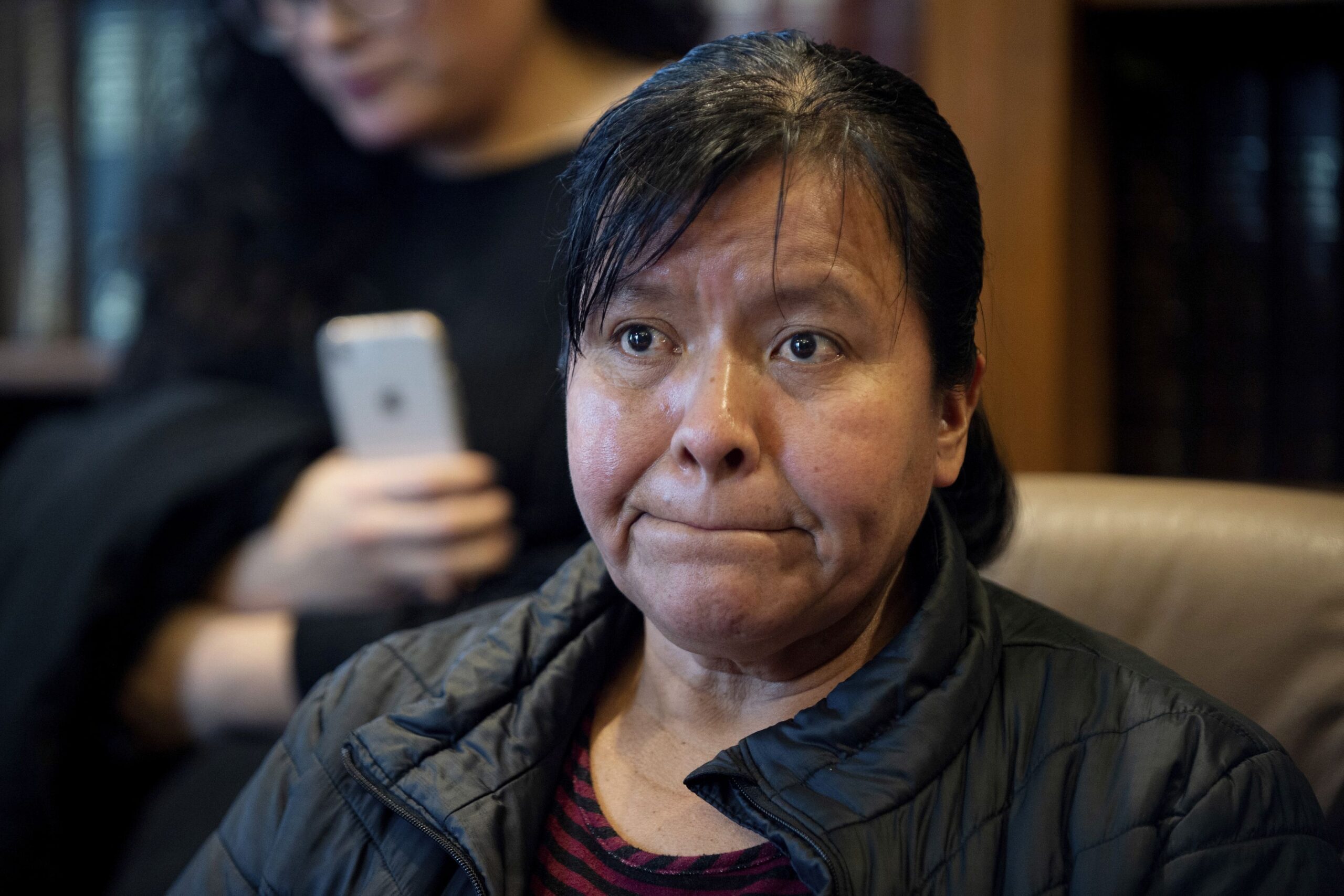
Atlanta Mother Maria Bonilla ICE Detention: Full Story, Timeline, Family Impact, and Immigration Debate
The atlanta mother maria bonilla ice detention case became widely discussed in the United States because it highlights how immigration enforcement actions can dramatically affect families. Maria Bonilla, a longtime resident of Georgia and mother of four U.S.-citizen children, was detained by immigration authorities during what was supposed to be a routine appointment.
Her story gained attention not only because of her long residence in the United States but also because she had been complying with immigration check-ins for many years. The sudden detention and later deportation raised questions about immigration procedures, legal complexities, and the impact of detention on families.
This article explains the atlanta mother maria bonilla ice detention case in clear and easy language. It explores her background, the circumstances of the arrest, the effect on her children, and the broader immigration debate.
Introduction to the Atlanta Mother Maria Bonilla ICE Detention Case
The atlanta mother maria bonilla ice detention case began on May 8, 2025, when Maria Bonilla attended a scheduled immigration appointment in Atlanta. Instead of a routine meeting, immigration agents detained her at the immigration court building.
Maria had lived in the United States for more than two decades and had been checking in with immigration officials regularly for about ten years.
Her detention quickly attracted attention because it involved a mother who had built her life in the United States and was raising children who are American citizens. Many immigration advocates said the case reflects a broader pattern in which people are detained during routine immigration appointments.
At the same time, supporters of strict immigration enforcement argue that the government must enforce immigration laws even when individuals have lived in the country for many years.
The story of the atlanta mother maria bonilla ice detention therefore became an example used in discussions about immigration policy and family separation.
Who Is Maria Bonilla?
Early Life in El Salvador
Maria Bonilla was born and raised in El Salvador. She grew up in a poor environment where access to education was limited. According to family members, she never had the opportunity to attend school regularly and did not learn to read or write fluently.
Growing up in difficult economic conditions, Maria eventually decided to leave her home country in search of better opportunities. Like many migrants from Central America, she hoped to build a safer and more stable life.
Her decision to move to the United States would shape the rest of her life.
Immigration to the United States
Maria Bonilla entered the United States in 2001 when she was about 17 years old.
After arriving in the country, she settled in the state of Georgia. Over time, she built a life there by working hard and supporting her growing family.
Although she did not obtain permanent residency, she lived in the country for many years and integrated into her community.
Her story is similar to that of many immigrants who come to the United States seeking economic opportunities and stability.
Life in Georgia Before the Arrest
Living in the Atlanta and Gainesville Area
Maria Bonilla spent most of her adult life in Georgia. She lived in the Gainesville area, which is known for its poultry industry and large immigrant workforce.
Gainesville is often called the “Poultry Capital of the World”, and thousands of workers are employed in chicken processing plants in the region.
Maria worked in this industry for many years, contributing to a major part of Georgia’s agricultural economy.
Employment and Work Authorization
One important detail in the atlanta mother maria bonilla ice detention case is that Maria reportedly had authorization to work in the United States for many years.
She worked at a poultry processing facility and helped support her children through her income.
The poultry industry is one of Georgia’s largest sectors, employing tens of thousands of workers. Many immigrants, including Maria, are part of this workforce.
Her steady employment allowed her to provide food, housing, and education opportunities for her children.
Raising Four Children
Maria Bonilla is the mother of four children who were all born in the United States. Because they were born in the country, they are American citizens.
Her children include:
- Araceli Bonilla
- Magali Bonilla
- Henrin Bonilla
- Tatiana Bonilla
For years, Maria focused on raising her children and supporting them through school and daily life.
Her family played an important role in helping her manage official documents and appointments because she struggled with reading and writing.
Immigration Status and Legal Situation
Regular Immigration Check-Ins
For approximately a decade, Maria Bonilla regularly attended immigration check-ins with federal authorities.
These appointments were required because her immigration case was still unresolved.
During these visits:
- She reported to immigration officials
- She updated paperwork when necessary
- She confirmed her address and employment
Her daughters often accompanied her to these meetings to help communicate with immigration officers.
Legal Complications
Immigration law in the United States is complex. Even small paperwork issues can affect a case.
In Maria Bonilla’s situation, reports indicate that there may have been confusion regarding required documents, including a passport or other identification needed for immigration filings.
Family members believe that inconsistent legal advice contributed to the problems in her case.
The Arrest at the Atlanta Immigration Court
The turning point in the atlanta mother maria bonilla ice detention story happened on May 8, 2025.
Maria attended a scheduled immigration appointment in downtown Atlanta, expecting it to be a routine check-in.
Instead, immigration agents detained her during the appointment.
Her daughters were reportedly present at the time and were shocked when their mother was taken into custody.
For the family, the arrest came as a surprise because Maria had attended similar appointments for years without any problems.
Transfer to ICE Detention
After the arrest, Maria Bonilla was transferred to an immigration detention facility.
Many detainees in Georgia are sent to the Stewart Detention Center in Lumpkin, a large immigration jail that holds thousands of detainees.
The detention center is operated by a private prison company and has been the subject of debate regarding conditions and overcrowding.
While detained, Maria was separated from her children and could communicate with them only through limited phone calls or visits.
Impact on Her Children and Family
Emotional Impact
The atlanta mother maria bonilla ice detention case deeply affected her family.
Her children suddenly faced the possibility of losing daily contact with their mother. For many immigrant families, detention and deportation can create emotional stress and uncertainty.
Family members described feeling shocked, scared, and unsure about what would happen next.
Financial Challenges
Maria had been the primary provider for the household. After her detention, her children had to adjust quickly.
One of her daughters reportedly postponed plans to attend nursing school in order to work and help support the family.
This change shows how immigration enforcement actions can have financial consequences for families.
Community Support
After the atlanta mother maria bonilla ice detention case became public, community members and supporters began helping the family.
Some of the support included:
- Fundraising campaigns
- Legal assistance
- Advocacy from immigrant rights organizations
Community support helped the family cope with legal expenses and daily costs while Maria was in detention.
Deportation to El Salvador
After several weeks in custody, Maria Bonilla was deported to El Salvador on May 27, 2025.
Her deportation meant she had to leave her four children in the United States.
For many families, deportation creates long-term separation because returning legally to the United States can be extremely difficult.
Maria later spoke from El Salvador about how painful it was to leave her children behind.
Attempts to Bring Maria Back to the United States
After her deportation, Maria’s children began looking for legal options that might allow their mother to return.
One possible path discussed by advocates is applying for a VAWA visa, which can sometimes allow certain immigrants to obtain legal status based on family circumstances.
Her children have continued fundraising and working with lawyers to explore possible legal solutions.
Timeline of the Atlanta Mother Maria Bonilla ICE Detention Case
| Year / Date | Event |
|---|---|
| 2001 | Maria Bonilla enters the United States from El Salvador |
| 2000s–2020s | Lives and works in Georgia poultry industry |
| 2010s–2025 | Attends regular immigration check-ins |
| May 8, 2025 | Detained by ICE at Atlanta immigration court |
| May 27, 2025 | Deported to El Salvador |
Broader Immigration Issues Highlighted by the Case
The atlanta mother maria bonilla ice detention story highlights several broader issues related to immigration in the United States.
These issues include:
- The complexity of immigration laws
- The impact of detention on families
- Economic contributions of immigrant workers
- Debates about enforcement strategies
Immigration policy continues to be one of the most debated topics in American politics, and cases like this often become examples in those discussions.
Conclusion
The atlanta mother maria bonilla ice detention case illustrates how immigration enforcement can change the lives of families overnight. Maria Bonilla spent more than two decades living and working in Georgia while raising four children who are American citizens.
Her detention during a routine appointment and her eventual deportation demonstrate how complex immigration cases can be.
For her children, the experience has been both emotional and financial. At the same time, the case has become part of a broader conversation about immigration policies, enforcement methods, and the human impact of deportation.
The story of Maria Bonilla continues to be discussed as people debate how immigration laws should be applied and whether reforms are needed in the future.