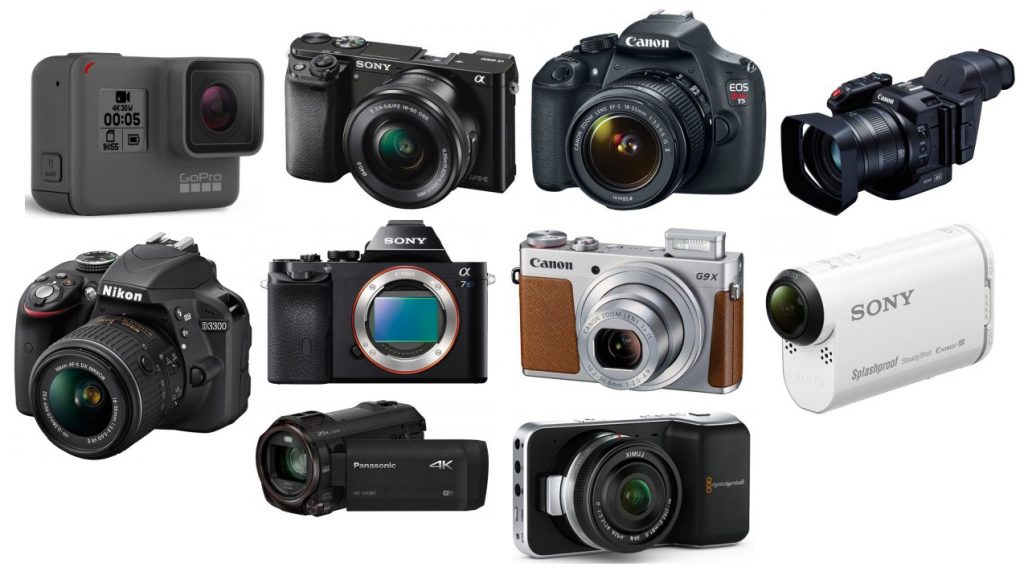
Best Videography Cameras: Complete Guide to Choosing the Best Camera for Professional Video (2026)
Videography has become one of the most powerful ways to tell stories, create content, and share experiences with the world. From YouTube videos and wedding films to documentaries and cinematic productions, video content is now an essential part of digital communication. However, creating high-quality video requires the right equipment, and the most important tool in any videographer’s setup is the camera.
Choosing the best videography cameras can feel confusing because there are many models available with different features, specifications, and price ranges. Some cameras are designed mainly for photography, while others are built specifically to capture professional video footage.
This detailed guide explains everything you need to know about the best videography cameras, including the key features that matter most, the types of cameras available, and how to select the right one for your needs. Whether you are a beginner starting your video journey or a professional filmmaker looking to upgrade your equipment, understanding these factors will help you make the best decision.
Understanding Videography Cameras
A videography camera is a device designed to record moving images with high clarity, accurate colors, and smooth motion. Unlike traditional cameras that focus mainly on still photography, videography cameras include special features that support long video recording, advanced autofocus systems, and high-resolution video formats.
Modern cameras have improved significantly in recent years. Many of the best videography cameras now support 4K, 6K, or even 8K recording, which provides incredibly sharp video quality. These cameras also include technologies such as image stabilization, intelligent subject tracking, and professional color profiles that allow editors to adjust colors during post-production.
Videographers use these cameras in many fields, including filmmaking, content creation, travel vlogging, marketing videos, and social media production. Because of their versatility and performance, the latest cameras can produce cinematic footage even in small and lightweight bodies.
Key Features That Define the Best Videography Cameras
When choosing a videography camera, it is important to understand the technical features that influence video quality and performance. These features determine how well the camera performs in different filming conditions.
Video Resolution
Video resolution refers to the amount of detail recorded in the video. Higher resolution means the footage contains more pixels, which results in clearer and sharper images.
The most common resolutions used in videography include:
| Resolution | Description | Common Use |
|---|---|---|
| 1080p (Full HD) | Standard video resolution | Online videos and basic filming |
| 4K | Four times sharper than Full HD | YouTube, filmmaking, marketing videos |
| 6K | Higher resolution for professional editing | Cinema and high-end production |
| 8K | Ultra-high resolution | Advanced filmmaking and large productions |
Many of the best videography cameras today offer 4K recording as a standard feature because it provides excellent image quality while still being practical for editing and storage.
Frame Rate and Motion
Frame rate describes how many images are captured every second during recording. A higher frame rate results in smoother motion.
Common frame rates used in video production include:
- 24 frames per second (fps) – cinematic film style
- 30 fps – standard video recording
- 60 fps – smoother motion for action scenes
- 120 fps or higher – slow-motion footage
Frame rate is especially important for sports, travel videos, and action scenes where smooth motion enhances the viewing experience.
Sensor Size
The camera sensor is the part that captures light and converts it into an image. Larger sensors generally produce better video quality because they capture more light and detail.
Common sensor types include:
| Sensor Type | Characteristics |
|---|---|
| Full Frame | Best low-light performance and cinematic look |
| APS-C | Balanced performance and affordable price |
| Micro Four Thirds | Compact design and good stabilization |
Many professional videographers prefer full-frame cameras because they produce beautiful background blur and perform well in low-light conditions.
Autofocus Technology
Autofocus is essential for video recording because it keeps the subject sharp while moving. Modern videography cameras use advanced autofocus systems that track faces, eyes, and objects automatically.
For example, when recording interviews, vlogs, or travel videos, reliable autofocus ensures that the subject remains clear even when moving.
Image Stabilization
Camera shake is one of the most common problems when recording handheld video. Image stabilization helps reduce shaking and produces smoother footage.
There are two main types of stabilization:
- Optical stabilization in the lens
- In-body image stabilization inside the camera
Many of the best videography cameras combine both methods to produce stable video even without a tripod.
Types of Videography Cameras
Different cameras are designed for different styles of video production. Understanding these categories helps creators select the right tool for their projects.
Mirrorless Cameras
Mirrorless cameras are currently the most popular choice for videographers. They are lightweight, powerful, and capable of recording high-resolution video.
These cameras do not use a mirror mechanism like DSLR cameras, which allows them to be smaller and faster. Many professional filmmakers and YouTubers rely on mirrorless models because they combine portability with excellent video performance.
Key advantages include:
- Compact design
- Interchangeable lenses
- Advanced autofocus
- High-resolution video recording
Because of these benefits, many of the best videography cameras available today belong to the mirrorless category.
DSLR Cameras
DSLR cameras were once the standard for video production. They still provide excellent image quality and interchangeable lenses.
However, many creators now prefer mirrorless cameras because they offer better video features, faster autofocus, and lighter bodies.
Despite this shift, DSLR cameras remain useful for beginners and photographers who want to shoot both photos and videos.
Cinema Cameras
Cinema cameras are designed specifically for professional filmmaking. These cameras offer advanced recording formats and superior color control.
Professional cinema cameras often include features such as:
- RAW video recording
- High dynamic range
- Professional audio connections
- Large storage capabilities
They are commonly used in movies, commercials, and television productions.
Action Cameras
Action cameras are small, durable devices designed for extreme environments. These cameras are often used for adventure sports, travel filming, and underwater recording.
Although they are compact, many action cameras can record high-quality video with wide-angle lenses and strong stabilization systems.
Best Videography Cameras for Different Users
Different videographers have different needs depending on their experience level and the type of content they create. The best videography cameras for a beginner may not be the same as those used by professional filmmakers.
Cameras for Beginners
Beginner videographers usually need cameras that are simple to operate and affordable. These cameras often include automatic settings, easy controls, and helpful features like flip screens.
Entry-level cameras allow beginners to learn videography without investing too much money while still producing high-quality videos.
Cameras for Content Creators and YouTubers
Content creators require cameras that support long recording sessions, fast autofocus, and external microphones.
Important features for YouTubers include:
- Flip screens for self-recording
- Lightweight design for portability
- Reliable autofocus tracking
- High-quality audio input
These features make it easier to record vlogs, tutorials, and social media content.
Cameras for Professional Filmmakers
Professional videographers require advanced cameras capable of capturing cinematic footage.
These cameras typically support:
- 6K or 8K recording
- professional color profiles
- RAW video formats
- external recording options
Such features provide greater control during editing and allow filmmakers to create visually stunning productions.
Important Features to Consider Before Buying
Choosing the best videography cameras involves more than just looking at resolution. Several practical factors also influence the filming experience.
Low-Light Performance
Low-light capability is crucial for filming at night or indoors. Cameras with larger sensors and high ISO performance capture brighter images without excessive noise.
Audio Quality
Good audio is just as important as good video. Many cameras include built-in microphones, but professional videographers often use external microphones for clearer sound.
Battery Life
Video recording uses more power than photography. Cameras with longer battery life are better for events, interviews, and travel filming.
Heat Management
High-resolution video recording can generate heat inside the camera. Good heat management allows longer recording sessions without interruptions.
Essential Videography Accessories
Even the best videography cameras perform better when combined with the right accessories. These tools improve video quality and make filming easier.
Some common accessories include:
Tripods help keep the camera stable during recording.
Gimbals provide smooth motion when walking or moving.
External microphones capture clearer sound.
Lighting equipment improves video quality in dark environments.
Extra lenses allow different creative perspectives.
Using these accessories can transform simple footage into professional-looking videos.
Videography Camera Comparison
The table below shows how different types of cameras compare in terms of purpose and performance.
| Camera Type | Best For | Video Quality | Price Range |
|---|---|---|---|
| Mirrorless Cameras | Content creators and filmmakers | 4K to 8K | Medium to high |
| DSLR Cameras | Photography and video | 1080p to 4K | Medium |
| Cinema Cameras | Professional filmmaking | 4K to 8K RAW | High |
| Action Cameras | Sports and travel | 4K to 5K | Low to medium |
This comparison highlights how each camera type serves a different purpose in video production.
Tips for Choosing the Best Videography Cameras
Selecting the right camera depends on several personal factors. Videographers should consider their budget, experience level, and the type of videos they plan to produce.
Beginners often benefit from lightweight mirrorless cameras that offer automatic settings and simple controls. Content creators may prefer cameras with flip screens and strong autofocus systems for vlogging. Professional filmmakers, on the other hand, usually require advanced cinema cameras that provide maximum creative control.
Another important factor is lens compatibility. Interchangeable lenses allow videographers to capture different styles of shots, from wide landscapes to close-up portraits.
Future Trends in Videography Cameras
Camera technology continues to evolve rapidly. Manufacturers are constantly introducing new features that improve video quality and make filming easier.
Some emerging trends include artificial intelligence autofocus systems, improved stabilization technology, and higher video resolutions. Cameras are also becoming more compact while still offering professional-level performance.
In the future, the best videography cameras will likely include even more advanced features such as real-time subject recognition, improved battery efficiency, and better heat management for long recording sessions.
Conclusion
Videography has become an essential part of modern communication, entertainment, and storytelling. With the rapid advancement of camera technology, creators now have access to powerful tools that can produce professional-quality video.
Choosing the best videography cameras requires understanding key features such as resolution, frame rate, sensor size, and stabilization. Different cameras serve different purposes, from beginner content creation to professional filmmaking.
By carefully considering your needs, budget, and filming style, you can select a camera that helps bring your creative ideas to life. With the right equipment and practice, anyone can create stunning videos that capture attention and tell meaningful stories.