Private Education Management Software Features – Complete Guide for Modern Schools (2026)!
Managing a school, college, academy, or educational institution is more challenging than ever. Administrators must handle student records, admissions, attendance, fee collection, examinations, communication, and reporting while ensuring a high-quality learning experience. Relying on spreadsheets and manual processes can lead to inefficiencies, errors, and wasted time.
This is where Private Education Management Software becomes essential. A modern Education Management System helps institutions automate daily operations, improve communication, increase productivity, and make data-driven decisions. Whether you operate a private school, training center, college, or multi-campus institution, understanding the most important Private Education Management Software Features can help you choose the right solution for long-term success.
In this guide, you’ll discover the must-have features, benefits, use cases, and future trends shaping the education industry in 2026.
What Is Private Education Management Software?
Private Education Management Software is a centralized platform designed to manage academic, administrative, financial, and communication processes within educational institutions.
Instead of using multiple disconnected systems, schools can manage everything from a single dashboard.
Key Functions
- Student Information Management
- Online Admissions
- Attendance Tracking
- Fee Management
- Examination Management
- Parent Communication
- Teacher Management
- Learning Management System (LMS)
- Reporting and Analytics
Main Benefits
- Reduced administrative workload
- Improved efficiency
- Better communication
- Enhanced student performance tracking
- Secure data management
Why Educational Institutions Need Education Management Software

Modern educational institutions face increasing challenges.
Common Problems
- Growing student enrollment
- Manual paperwork
- Communication gaps
- Data management issues
- Fee collection delays
- Complex reporting requirements
How Education Management Software Helps
- Automates repetitive tasks
- Centralizes information
- Improves collaboration
- Provides real-time insights
- Enhances operational efficiency
Institutions that invest in a Private School Management System often save hundreds of administrative hours each year.
1. Student Information Management
Student Information Management is the foundation of every successful Education ERP Software.
Educational institutions generate large amounts of student data that must be organized and easily accessible.
Key Features
- Student profiles
- Academic records
- Attendance history
- Medical records
- Behavior tracking
- Document storage
Benefits
- Quick access to student information
- Reduced paperwork
- Improved accuracy
- Better record management
| Feature | Benefit |
|---|---|
| Student Profiles | Centralized information |
| Academic Records | Better performance tracking |
| Document Storage | Easier document management |
| Attendance History | Improved monitoring |
2. Online Admission Management
The admission process creates the first impression of an institution.
Modern School Management Software Features should include a digital admission system.
Features
- Online application forms
- Document uploads
- Admission tracking
- Automated notifications
- Approval workflows
Benefits
- Faster admissions
- Better applicant experience
- Reduced manual processing
Why It Matters
Schools can process applications more efficiently while providing a seamless experience for prospective students and parents.
3. Attendance Management System
Attendance tracking is one of the most frequently used features in School Administration Software.
Core Features
- Daily attendance tracking
- QR code attendance
- Biometric integration
- Mobile attendance
- Attendance reports
Benefits
- Real-time attendance monitoring
- Reduced manual errors
- Improved accountability
- Better compliance
Example
Teachers can mark attendance digitally, while administrators receive instant reports and alerts for absenteeism.
4. Fee Management and Billing
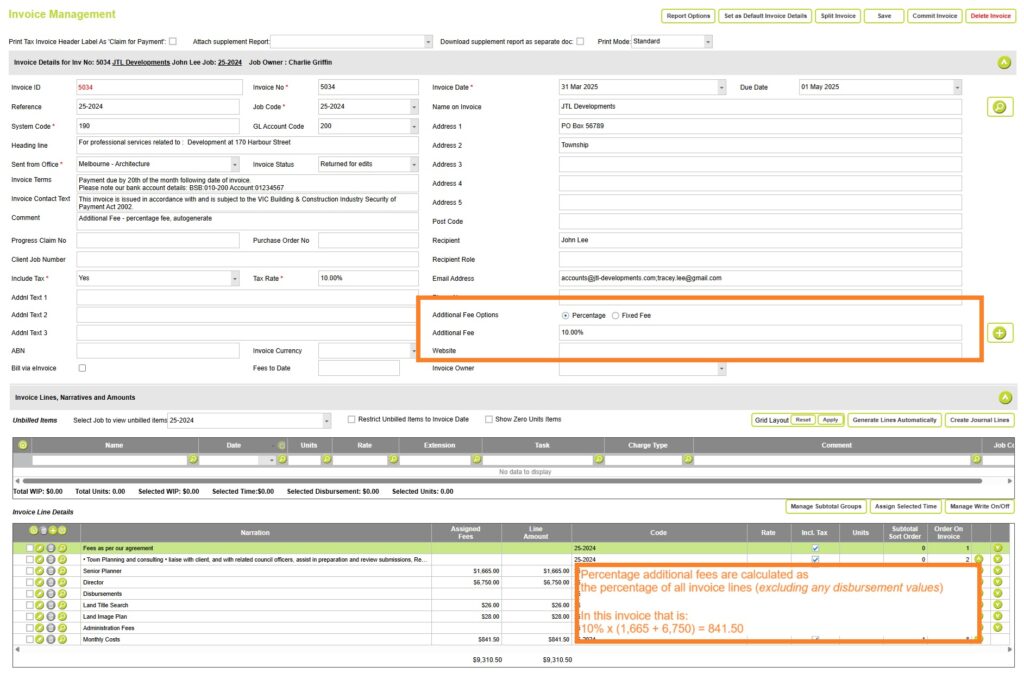
Fee collection is critical for every educational institution.
A powerful Fee Management Software simplifies the entire process.
Features
- Online fee payments
- Automated invoices
- Payment reminders
- Receipt generation
- Financial reporting
Benefits
- Improved cash flow
- Reduced payment delays
- Better transparency
- Faster accounting processes
| Traditional Method | Automated Method |
|---|---|
| Manual Invoices | Automatic Invoices |
| Paper Receipts | Digital Receipts |
| Manual Tracking | Real-Time Tracking |
| Higher Errors | Greater Accuracy |
5. Examination Management
Managing exams manually can be time-consuming.
Modern Academic Management Systems simplify exam administration.
Features
- Exam scheduling
- Marks entry
- Grade calculation
- Report card generation
- Result publishing
Benefits
- Faster result processing
- Accurate grading
- Better performance analysis
Additional Advantages
- Reduced workload for teachers
- Improved reporting accuracy
- Faster communication with parents
6. Parent Portal
Parent engagement is essential for student success.
Features
- Attendance tracking
- Academic reports
- Fee status monitoring
- School announcements
- Direct communication
Benefits
- Increased transparency
- Better parent involvement
- Improved communication
Parents can monitor their child’s progress from anywhere using web or mobile applications.
7. Teacher Portal
Teachers need tools that help them focus on education rather than administration.
Features
- Attendance management
- Assignment creation
- Grade submission
- Class scheduling
- Student evaluation
Benefits
- Increased productivity
- Better classroom management
- Simplified reporting
8. Learning Management System (LMS)
An integrated Learning Management System supports digital learning and hybrid education.
Features
- Online classes
- Course management
- Assignments
- Quizzes
- Learning materials
Benefits
- Flexible learning
- Better student engagement
- Improved educational outcomes
Why LMS Integration Matters
Schools increasingly require digital learning environments that support both in-person and remote education.
9. Communication Management
Communication plays a critical role in educational success.
Features
- SMS notifications
- Email alerts
- Push notifications
- Parent messaging
- Teacher communication
Benefits
- Faster information sharing
- Better engagement
- Reduced communication gaps
10. AI-Powered Analytics

Artificial Intelligence is transforming Education Technology Solutions.
Features
- Student performance prediction
- Attendance trend analysis
- Academic risk identification
- Smart recommendations
Benefits
- Data-driven decisions
- Early intervention opportunities
- Better student outcomes
Example
AI can identify students at risk of poor academic performance before problems become serious.
11. Multi-Campus Management
Organizations operating multiple campuses require centralized management.
Features
- Unified dashboard
- Campus-level reporting
- Shared resources
- Centralized administration
Benefits
- Better control
- Improved consistency
- Simplified reporting
12. Data Security and Backup
Educational institutions store sensitive information that must be protected.
Essential Security Features
- Data encryption
- Two-factor authentication
- Role-based access control
- Automatic backups
- Audit logs
Benefits
- Improved security
- Regulatory compliance
- Reduced cyber risks
How to Choose the Best Private Education Management Software
Before selecting software, consider the following factors.
Evaluation Checklist
✅ Ease of use
✅ Cloud-based access
✅ Mobile support
✅ Security features
✅ LMS integration
✅ Reporting capabilities
✅ Customer support
✅ Scalability
Questions to Ask Vendors
- Does the software support multiple campuses?
- Is mobile access available?
- How secure is the platform?
- What integrations are supported?
- Is technical support included?
Benefits of Implementing Education Management Software
Institutions that implement a modern Education ERP Software often experience:
- Increased operational efficiency
- Improved student performance tracking
- Better parent engagement
- Reduced administrative workload
- Enhanced data security
- Faster decision-making
- Improved communication
Future Trends in Education Management Software
The education technology landscape continues to evolve.
Emerging Trends
- Artificial Intelligence
- Predictive Analytics
- Cloud-Based Platforms
- Mobile-First Solutions
- Personalized Learning
- Automation
- Smart Reporting
Institutions that adopt these technologies early gain a competitive advantage.
Frequently Asked Questions
1. What is Private Education Management Software?
Private Education Management Software is a digital platform that helps schools, colleges, academies, and educational institutions manage academic, administrative, financial, and communication activities from a single system.
2. What are the most important Private Education Management Software Features?
The most important features include student management, attendance tracking, fee management, examination management, Learning Management System (LMS) integration, communication tools, reporting, and analytics.
3. What is the difference between a School ERP and a Learning Management System (LMS)?
A School ERP manages administrative and operational tasks such as admissions, attendance, fees, and reporting, while an LMS focuses on online learning, assignments, courses, and student engagement.
4. Can Education Management Software support online learning?
Yes. Modern Education Management Software often includes LMS integration, virtual classrooms, digital assignments, online assessments, and learning resource management.
5. What role does AI play in Education Management Software?
AI helps institutions analyze student performance, predict academic trends, identify at-risk students, automate reporting, and support data-driven decision-making.
Conclusion
Private Education Management Software helps schools streamline operations through student management, attendance tracking, fee collection, communication tools, LMS integration, AI analytics, and advanced security. By automating administrative tasks and improving collaboration, institutions can increase efficiency, reduce costs, and enhance student outcomes. In 2026, adopting a modern School Management System is essential for sustainable growth and long-term educational success.